Benefits of Hiring a Local HVAC Company in Kansas City, Missouri
Kansas City weather does not leave much room for error. A furnace that quits in January is not a minor inconvenience, and an air conditioner that struggles through a July heat wave can turn a home or business miserable in a matter of hours. In a climate with freezing winters, humid summers, and quick seasonal swings, the company you call for heating and cooling work matters more than many property owners realize.
There is a real difference between hiring a large out-of-town provider and working with a local team that knows Kansas City block by block, neighborhood by neighborhood, and season by season. A strong local contractor brings more than a truck and a tool bag. They bring familiarity with regional housing stock, responsiveness during peak demand, and accountability that tends to be stronger when the company’s reputation lives in the same community as the customer.
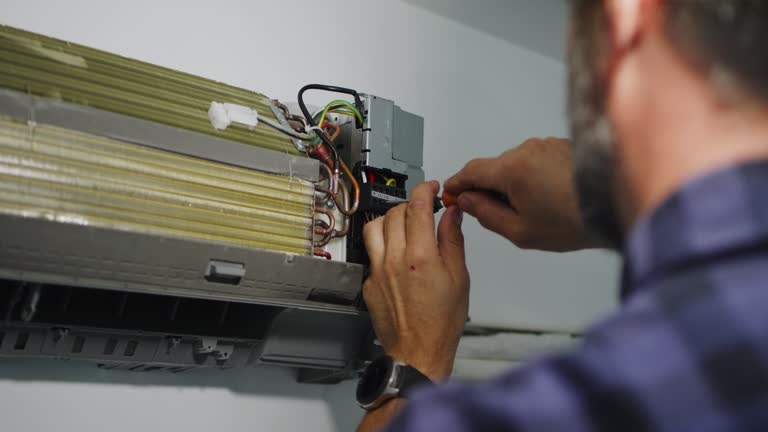
For homeowners researching HVAC Kansas City services, the appeal of local expertise often becomes obvious only after a bad experience elsewhere. Maybe it is a generic recommendation for oversized equipment. Maybe it is a technician who does not recognize the quirks of an older Brookside home, a drafty mid-century ranch in Raytown, or a tightly built newer home in Overland Park. Maybe it is simply waiting too long for help while outdoor temperatures keep climbing or falling. Local knowledge can prevent those mistakes.
Kansas City’s climate creates very specific HVAC demands
Kansas City is not a mild-weather market. Systems here need to handle legitimate cold, serious heat, and enough humidity to stress both comfort and equipment performance. On paper, heating and cooling are straightforward. In practice, a lot depends on how a system is selected, installed, maintained, and repaired under local conditions.
A technician who works in this area every day understands how often air conditioners here run hard for long stretches in summer. They understand how winter cold snaps expose weak igniters, tired blowers, cracked heat exchangers, and neglected filters. They also know that shoulder seasons can be unpredictable. It might be warm enough for cooling one week and cold enough for heating the next. That kind of stop-and-start seasonal change reveals issues with thermostats, control boards, dampers, and aging components.
That experience shapes better recommendations. A local Kansas City HVAC Company is less likely to treat your house like a generic structure in a generic climate. They are more likely to ask the right questions about insulation, sun exposure, humidity, duct leakage, room imbalance, and whether your system has been short cycling during hot afternoons. Those details matter because comfort problems are not always equipment problems. Sometimes the issue is airflow. Sometimes it is sizing. Sometimes it is poor return design in an upstairs hallway that never had enough capacity to begin with.
I have seen homes where the owner thought they needed a full replacement, only to find that sealing a few duct joints, correcting refrigerant charge, and improving attic insulation changed the entire performance of the system. I have also seen the opposite, where a cheap repair delayed the inevitable on a failing unit that was already near the end of its service life. Good local contractors tend to be better at reading that distinction because they have seen the same patterns play out across similar homes in the same climate.
Faster response times when conditions are extreme
One of the clearest benefits of hiring a local HVAC Company Kansas City residents can depend on is speed. Not theoretical speed, actual speed. When temperatures spike or plunge, every HVAC company gets busy. During those weeks, being local matters.
A nearby company usually has shorter drive times, tighter dispatch zones, and a practical understanding of how traffic, weather, and service density affect response. That may sound small until your furnace stops working on a Sunday night in January. A company based in or around Kansas City can often route technicians more efficiently than a provider trying to cover a broad multi-city territory without local concentration.
Speed also shows up in follow-up service. If a part needs to be ordered, a local company may have stronger relationships with regional suppliers or already know which common parts to keep on hand for the equipment brands prevalent in this market. In many cases, that means fewer delays between diagnosis and repair.
This does not guarantee same-day service every time, especially during major weather events. No honest contractor should promise instant service to everyone during a citywide heat wave. But local companies often have an operational advantage because they are built around serving the area consistently, not occasionally.
Familiarity with Kansas City homes and building patterns
Kansas City has a wide mix of housing. There are older homes with aging ductwork, slab homes with access limitations, remodeled properties with uneven airflow, and newer construction with more efficient envelopes but sometimes poorly balanced systems. That variety creates challenges that look simple at first glance and turn complicated quickly.
A local crew often recognizes those patterns almost immediately. They have worked in homes with additions that were never properly integrated into the original system. They have seen finished basements with comfort issues caused by incorrect zoning or low supply volume. They know that some neighborhoods have homes where return air design was an afterthought, leading to hot upstairs bedrooms and noisy system operation.
That familiarity saves time and improves decisions. Instead of starting from scratch every visit, they can narrow likely causes based on the age, style, and layout of the home. In a practical sense, that means better troubleshooting and fewer unnecessary repairs.
Commercial properties benefit too. Small offices, retail spaces, restaurants, and mixed-use buildings across Kansas City often operate with rooftop units, split systems, make-up air equipment, or older controls that need thoughtful maintenance. Local companies that regularly serve those property types understand the balance between uptime, budget, and long-term planning. They know when a repair makes sense, when a temporary fix is acceptable, and when delaying replacement is going to cost more in downtime and emergency service.
Better accountability because reputation is local
When a company works where it lives, reputation has weight. That is one of the strongest reasons many property owners prefer a Kansas City HVAC Company with a true local presence. A company rooted in the area is more likely to depend on repeat business, neighborhood referrals, contractor relationships, and long-term trust. That changes behavior.
National brands and large regional chains can do solid work, but local accountability often feels different. If the owner’s name is attached to the business, if their technicians serve the same communities week after week, and if they expect customers to call again for maintenance, the incentive to solve problems well is stronger and more visible.
This shows up in small but important ways. Calls get returned. Warranty issues are handled with less friction. Technicians are less likely to disappear after the installation. If there is a comfort complaint after a system replacement, a local provider often has more reason to revisit duct balance, thermostat setup, or airflow instead of insisting the job is finished.
That kind of accountability matters most after the invoice is paid. Many HVAC problems do not reveal themselves during the first hour of operation. They show up after a week of high heat, after the first real cold snap, or after a room stays three degrees off from the rest of the house. A local company has more skin in the game when those issues surface.
Local companies often give more practical recommendations
One frustration people have with heating and cooling service is feeling pushed toward the most expensive option before they fully understand the problem. Local contractors are not immune to sales pressure, but many smaller or community-based firms build business by being practical rather than aggressive.
A seasoned local technician is more likely to frame recommendations around use case and timing. If your system is twelve years old, cooling adequately, and needs a moderate repair, the right answer may be to fix it and start budgeting for replacement in the next few years. If your unit is twenty years old, uses obsolete refrigerant, and has repeated breakdowns, replacement may be the more responsible recommendation. Good advice is rarely one-size-fits-all.
You can usually tell when a contractor is thinking clearly by the kinds of questions they ask. They want to know how long you plan to stay in the home, whether utility costs have been climbing, which rooms are uncomfortable, how often the system has needed service, and what your budget looks like. That is not soft conversation. It is how responsible system planning works.
Here are a few signs you are dealing with a company that is taking the situation seriously rather than rushing to a script:
- They inspect more than the broken part and look at airflow, filtration, drainage, and controls.
- They explain what failed, why it failed, and whether related components show wear.
- They give repair versus replacement context instead of a single hard sell.
- They discuss system sizing, duct condition, and humidity control for replacement jobs.
- They answer questions plainly, without hiding behind jargon.
That kind of communication is especially valuable for people who do not work in the trades. HVAC systems are expensive, and most customers make these decisions only a handful of times in their lives. Clear explanations reduce the chance of overpaying, underbuying, or approving work that does not solve the actual problem.
Stronger service relationships over time
HVAC is not a one-call industry. Even a well-installed system needs maintenance, filter changes, occasional repairs, and periodic performance checks. The value of a local company grows over time because they build a history with your equipment and your property.
That service history matters more than people think. When the same company has maintained your furnace and air conditioner for years, they know what parts have already been replaced, whether the static pressure has been a concern, whether the drain line has a history of clogging, and whether the outdoor unit has struggled during peak summer load. That context helps them diagnose faster and avoid repeating dead-end repairs.
There is also a comfort factor in having a known contact when things go wrong. You are not explaining your whole system to a new provider every season. You already know how they schedule, how they communicate, and whether they stand behind their work. That continuity tends to lead to better maintenance and fewer surprises.
For landlords and property managers, the relationship value is even clearer. If you manage multiple units or buildings, a local HVAC Kansas City provider can become part of your operating rhythm. They know the equipment mix, can help prioritize replacement schedules, and can often spot systemic issues before they become emergency calls.
Local knowledge helps with sizing and installation quality
A lot of heating and cooling problems begin at installation. Poor sizing, bad duct design, lazy commissioning, or shortcuts in drainage and airflow setup can create years of Kansas City HVAC discomfort and higher utility costs. Hiring local often improves your chances of getting a system tailored to Kansas City conditions rather than dropped in as a generic replacement.
Oversizing is one of the most common mistakes. Bigger is not better with HVAC. An oversized air conditioner can cool quickly but remove less humidity, which leaves the house cold and clammy. An oversized furnace can short cycle, create uneven temperatures, and put extra stress on components. A contractor familiar with the area understands how to evaluate cooling load, insulation levels, window exposure, occupancy, and duct capacity before recommending equipment.
The same is true for humidity control. Kansas City summers are not just hot, they are sticky. Comfort depends heavily on moisture removal, especially in homes with finished basements or newer envelopes that trap indoor humidity. A local company is more likely to discuss blower settings, runtime, thermostat staging, and dehumidification strategies that fit the local climate rather than focusing only on temperature.
Installation quality also includes details that customers may never see, unless those details are done poorly. Proper refrigerant charge, combustion analysis, condensate management, static pressure testing, return air sizing, and equipment startup checks all affect long-term performance. A local contractor who expects to service that equipment later has every reason to install it carefully now.
More realistic emergency support during peak seasons
Emergency service is one of those topics where marketing language can get ahead of reality. Many companies advertise emergency availability. The meaningful difference is what happens when half the city calls at once.
Local companies that plan well for Kansas City’s busy periods often have stronger emergency response systems because they know exactly when demand peaks. They prepare for the first major freeze, the first sustained summer heat, and the shoulder-season surprises that trigger service calls across whole neighborhoods. They may extend hours, stage common parts, or shift schedules to protect existing customers.
That does not make them magic. During severe weather, even the best teams get stretched. But local preparedness tends to be better grounded in actual regional experience. That can mean more honest scheduling, better triage, and a higher likelihood that vulnerable customers, such as families with infants, older adults, or medically sensitive residents, are identified and prioritized appropriately.
Supporting the local economy has practical value too
People often mention supporting local business in general terms, but with HVAC it carries practical benefits. A healthy local service market means more trained technicians, more stable contractors, more competition on workmanship, and stronger long-term support for the equipment installed in the area.
When you hire a local Kansas City HVAC Company, your money is more likely to circulate through local payroll, local supply houses, and local partnerships with electricians, plumbers, builders, and property professionals. That helps maintain a service ecosystem that customers rely on when urgent repairs hit.
There is also a workforce angle. Skilled trades need a pipeline of apprentices, installers, and service techs who want to build a career in the region. Stable local companies are often the ones doing that training. Customers benefit when the local labor pool is strong, because it improves service availability and preserves experience in the market.
Pricing is not always lower, but value is often better
It would be careless to say local companies are always cheaper. They are not. Sometimes a large company can negotiate purchasing power that affects equipment pricing. Sometimes a small contractor charges more because they deliver highly attentive service. Price alone does not tell you much.
What matters is value. A lower bid can become expensive if the install is sloppy, the equipment is mismatched, or follow-up support is weak. A higher bid may be justified if it includes duct modifications, better commissioning, a longer labor warranty, or a more appropriate equipment design. Local companies often compete on exactly those factors, because they know they cannot rely on brand recognition alone.
When comparing proposals, pay attention to what is actually included. Look at scope, labor warranty, filtration approach, thermostat controls, drain protection, permit handling, and whether the contractor measured anything beyond the model number on your old unit. A careful quote often reflects a careful company.
If you are trying to choose between providers, focus on a short set of practical questions:
- How familiar are they with homes or buildings like yours in the Kansas City area?
- Do they explain repair and replacement options without pressure?
- What kind of follow-up support do they provide after installation or major repair?
- Are their technicians and dispatch operations truly local?
- Does the proposal address comfort, airflow, and humidity, not just equipment tonnage?
Those answers usually tell you more than a coupon or a flashy ad.
The difference shows up after the job is done
Anyone can sound competent during an estimate. The real test comes later, when the system has to perform through a humid July, a windy November, and a subfreezing January morning. That is where local expertise pays off.
A contractor who knows the region tends to install with the season ahead in mind. They anticipate drainage issues in summer, ignition issues in winter, and comfort complaints that often arise in transitional weather. They know what customers in Kansas City actually deal with, not what a national script says they deal with.
For homeowners, that often means fewer callbacks, steadier comfort, and more confidence in the system. For businesses, it means less disruption, fewer emergency closures, and a clearer plan for maintenance and replacement. For both, it usually means working with people who understand that HVAC is not just equipment. It is reliability, safety, and daily comfort.
Hiring local is not about sentiment alone. It is a practical decision rooted in climate, responsiveness, accountability, and judgment. When you choose a local provider for HVAC Kansas City service, you are not only buying a repair or an installation. You are buying local knowledge that is hard to fake and even harder to replace.